
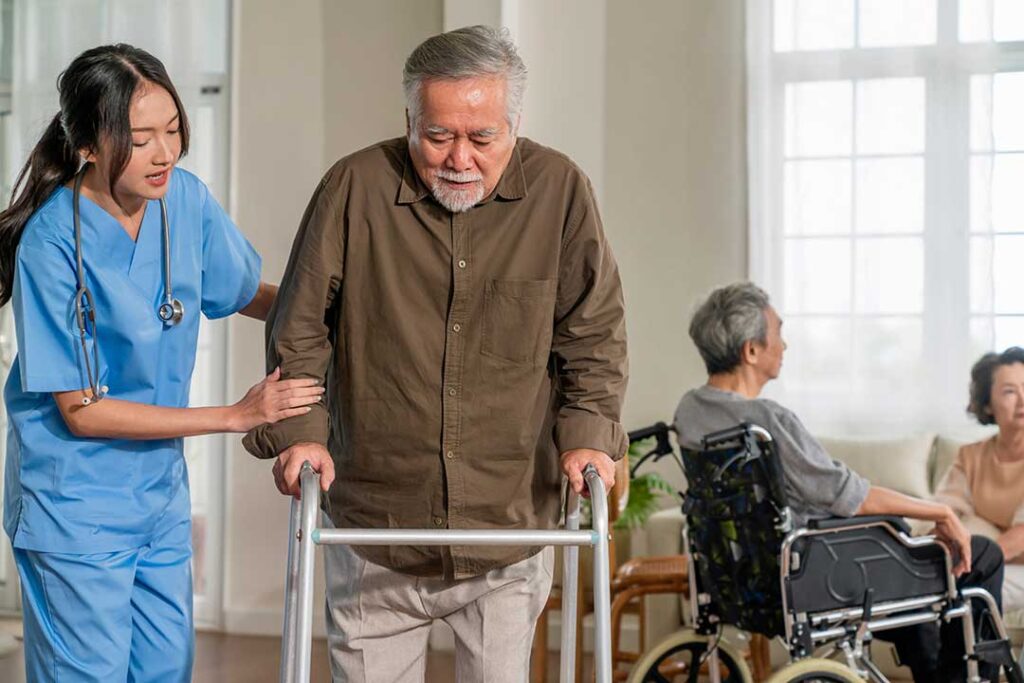
Navigating daily life can present unique challenges for seniors experiencing visual impairments. In assisted living communities, making purposeful adaptations is vital for maintaining independence, safety, and well-being. In Kingston, PA—a charming community brimming with both history and local amenities—such considerations become even more meaningful. Understanding how to tailor environments for those with low vision or blindness ensures all residents enjoy a high quality of life.
Understanding Visual Impairment in Seniors
Visual impairment in older adults can range from slight vision loss to complete blindness. Common causes include macular degeneration, glaucoma, diabetic retinopathy, and cataracts. Because vision loss often progresses with age, seniors in assisted living settings may require evolving levels of support and environmental adjustments.
Why Adaptations Matter in Assisted Living
Accidents and injuries are more likely to occur when seniors struggle to see hazards in their surroundings. Simple changes can reduce falls, foster independence, and minimize frustration. In Kingston, where seniors value engagement with the Susquehanna River walks, community activities, and local businesses, maintaining mobility and confidence matters especially much.
Physical Environment Modifications
Creating an accessible space starts with the physical environment. Here are key adaptations that benefit residents with visual impairments:
- Contrasting Colors: Using high-contrast paint for door frames, stairs, and grab rails helps distinguish between surfaces. For example, dark handrails against light walls provide a visual "signal" for easier navigation.
- Consistent Lighting: Uniform, glare-free lighting throughout hallways and common areas is essential. In Kingston’s assisted living communities, leveraging natural light while preventing harsh shadows makes spaces more inviting and accessible.
- Clear Pathways: Keeping hallways free of furniture, loose rugs, and cords is essential. Wide, clutter-free paths enable residents to move confidently to dining rooms, activity areas, or out to enjoy a stroll on Wyoming Avenue.
- Tactile Markers: Raised or textured signage on room numbers, elevators, and exits helps those who rely on touch. A local craftsperson can even create custom signs fitting the historic spirit of Kingston.
Personal and Safety Adaptations
Beyond environmental changes, seniors benefit from personal safety measures:
- Walk-in Showers and Non-Slip Mats: Bathroom safety is paramount. Installing walk-in showers with sturdy, contrasting grab bars and non-slip mats reduces the risk of falls.
- Labeling Personal Items: Tactile or large-print labels on medications, clothing drawers, and other personal belongings help residents easily identify their items.
- Talking Devices: Audio clocks, talking thermometers, and electronic medication reminders cater to a variety of vision needs—a great complement for technology-friendly seniors in Kingston.
- Emergency Systems: Easy-to-use emergency alert systems give visually impaired seniors and their families peace of mind.
Social and Community Engagement
Isolation is a risk for seniors with visual impairments, but assisted living communities in Kingston, PA, thrive on connection. Thoughtful adaptations ensure everyone can fully participate.
- Accessible Activity Calendars: Large-print or audio versions of weekly activity schedules help residents join social or recreational events, whether it’s a local history club or a music afternoon.
- Transportation Support: Many Kingston assisted living homes offer reliable transportation. Drivers trained to assist visually impaired passengers make it easier to visit the Back Mountain Trail or Wyoming Valley Mall.
- Community Partnerships: Local organizations, such as the Luzerne County Library, often have resources or volunteers who’ll read aloud, offer large-print books, or lead sensory activities.
Staff Training and Awareness

Staff training is critical for creating an inclusive environment:
- Vision Support Training: Ensuring staff understand how to guide visually impaired residents respectfully and help with tasks as needed.
- Routine Safety Checks: Regular reviews of the environment (checking for obstacles, ensuring lighting is appropriate) help catch issues before they become a problem.
- Encouraging Independence: Staff should balance assistance with empowering residents to do as much as they safely can on their own.
Involving Family and Friends
Family and friends play a valuable role in helping loved ones adapt to vision changes. Some assisted living communities in Kingston offer workshops or support groups to help families learn best practices for communication and safety.
Technology and Assistive Devices
The availability of easy-to-use assistive technology is a game-changer for seniors with visual impairments:
- Magnifiers and E-Readers: Handheld magnifiers, screen-reading devices, and e-readers with adjustable text sizes allow seniors to continue enjoying their favorite books, recipes, and letters.
- Smart Home Devices: Voice-activated assistants, like Amazon Echo or Google Home, make it easier to set reminders, play music, or access news.
- Phone Applications: Apps that read text aloud or help with navigation can make outings in Kingston—like visits to the Kingston Farmers Market or a trip to a local café—more enjoyable and less stressful.
Emphasizing Local Resources
Kingston, PA has a variety of local organizations and resources tailored for the visually impaired. Residents can connect with nearby vision rehabilitation services, support groups, or the Pennsylvania Association for the Blind for additional support.
Final Thoughts
Adapting assisted living environments for seniors with visual impairments is an ongoing process requiring creativity and community effort. With thoughtful changes to the physical setting, personalized safety measures, and accessible technology, Kingston’s older adults can lead rich, independent lives. By fostering awareness and leveraging local resources, assisted living communities in Kingston, PA, are helping every resident feel confident, connected, and at home.
