
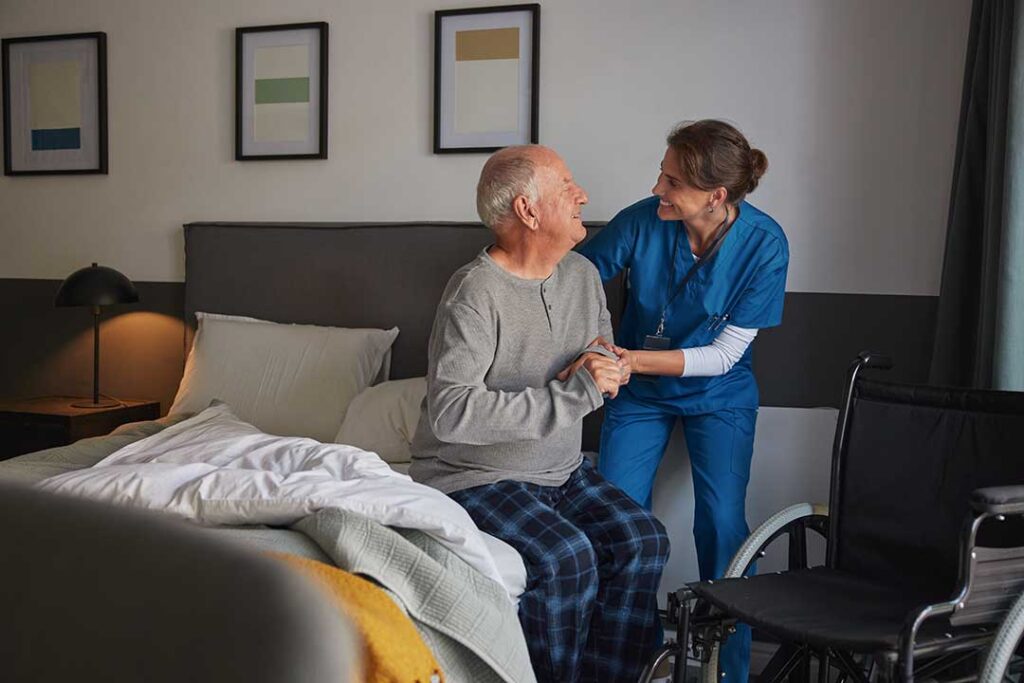
Assisted living and senior mental health are closely connected. A supportive residence can reduce isolation, create daily structure, and help residents stay connected to medical care and meaningful activities. It cannot replace psychiatric treatment or emergency services, but it can play an important role in noticing changes early and coordinating support.
For older adults and families in Kingston, PA, the right questions involve more than physical assistance. Emotional health, cognitive changes, social connection, medication routines, and personal choice all deserve attention when evaluating care needs.
Why does mental health matter in assisted living?
Mental health affects how a resident eats, sleeps, takes medication, participates in activities, and communicates symptoms. Depression, anxiety, grief, loneliness, dementia-related distress, and sleep problems may appear as changes in behavior rather than direct statements about mood.
Depression is not a normal part of aging. Older adults may show less interest in familiar activities, fatigue, hopelessness, irritability, appetite changes, poor concentration, or unexplained physical complaints instead of obvious sadness. These symptoms can be treatable, but they should be discussed with a medical provider. ([nia.nih.gov](https://www.nia.nih.gov/health/depression-and-older-adults?utm_source=openai))
Assisted living may help by providing:
- Regular meals and sleep-wake routines
- Opportunities for conversation and social contact
- Assistance with medication organization
- Observation of changes in mood, behavior, or functioning
- Transportation coordination for medical or behavioral health appointments
- Safer surroundings for residents who need reminders or supervision
These supports are most effective when they are individualized. A resident who enjoys quiet reading may benefit from a different routine than someone who prefers group activities.
What mental health changes should families watch for?
A noticeable change from a person’s usual behavior deserves attention, especially if it lasts more than a few days or interferes with daily life. Warning signs may include:
- Withdrawing from family, meals, or favorite activities
- Persistent worry, fear, sadness, anger, or restlessness
- Repeated complaints of pain or illness without a clear explanation
- Changes in sleep, appetite, grooming, or weight
- Confusion that appears suddenly or becomes worse
- Increased suspicion, agitation, or unusual impulsive behavior
- Difficulty managing medications or ordinary decisions
- Statements about feeling like a burden or not wanting to live
A sudden change can have a physical cause, such as infection, dehydration, medication side effects, uncontrolled pain, or a metabolic problem. Delirium, which is an abrupt change in attention and awareness, should be treated as a medical concern rather than assumed to be dementia or depression.
If a resident may be in immediate danger, has taken an overdose, is threatening self-harm, or cannot be safely supervised, call 911. For suicidal thoughts or a mental health crisis, calling or texting 988 connects people with the Suicide & Crisis Lifeline. Asking directly about suicidal thoughts does not create suicidal thinking and may help a person disclose what is happening. ([nia.nih.gov](https://www.nia.nih.gov/health/depression-and-older-adults?utm_source=openai))
How can assisted living reduce loneliness?
Social connection is a practical part of mental health care, but participation should not be forced. Some residents need time to adjust before joining activities, particularly after a move, hospitalization, loss of a spouse, or major change in independence.
Helpful approaches include:
- Offering small-group activities instead of only large events
- Connecting residents with shared interests, faith traditions, music, crafts, or local history
- Building regular family calls into the weekly routine
- Encouraging outdoor time when weather and mobility allow
- Checking on residents who skip meals or activities
- Preserving familiar belongings, schedules, and personal rituals
Seasonal conditions can affect routines in Kingston. Snow, icy walkways, shorter daylight hours, and cold temperatures may limit outdoor movement and visits during parts of the year. Indoor exercise, window-side natural light, scheduled calls, and planned social activities can help reduce extended periods of isolation.
Loneliness and depression are not identical. A person may feel lonely without having depression, while another person may have depression even when surrounded by others. Both deserve attention, but they may require different responses.
What should families ask about mental health support?
Families should ask specific questions rather than assuming every assisted living residence provides the same level of behavioral health support. In Pennsylvania, assisted living residences and personal care homes are licensed under state requirements that address staffing, resident health and medical care, training, nutrition, safety, and personal care services. The services available in a particular residence still vary. ([pa.gov](https://www.pa.gov/agencies/dhs/resources/licensing/pch-alr-licensing/pch-alr-compliance-guides?utm_source=openai))
Useful questions include:
- How are mood, behavior, and cognitive changes documented?
- Who is notified when a resident stops eating, sleeping, or participating?
- How are psychiatric medications administered, monitored, and reviewed?
- Can the residence coordinate visits with a primary care provider, therapist, psychiatrist, or geriatric specialist?
- How are family members included, with the resident’s permission?
- What happens after a hospitalization or emergency department visit?
- Can staff support residents with dementia-related anxiety, wandering, or agitation?
- What services are not available on site?
- Under what circumstances might a resident need a higher level of care?

A residence may coordinate supplemental health care services directly or through outside arrangements, but families should confirm what is actually included, who provides it, and how costs are handled. ([pa.gov](https://www.pa.gov/content/dam/copapwp-pagov/en/dhs/documents/licensing/bhsl-licensing/documents/Assisted_Living_Residences-2800_Regulatory_Compliance_Guide_RCG.pdf?utm_source=openai))
How are dementia and mental illness different?
Dementia is a group of conditions involving progressive changes in memory, thinking, communication, or judgment. Mental illnesses such as depression, anxiety, bipolar disorder, or schizophrenia are different conditions, although they can occur alongside dementia.
The distinction matters because treatment and support needs differ. Depression can sometimes resemble memory loss, and depression may improve with treatment. Dementia-related changes generally follow a different pattern and require cognitive support, safety planning, and careful communication.
A diagnosis should not be made from one difficult day. Families and staff should document when symptoms began, what triggers them, how long they last, changes in medications, sleep, pain, and recent illnesses. A clinician can then evaluate possible causes.
Some Pennsylvania assisted living residences have special care designations for residents with severe cognitive impairments, including dementia or Alzheimer’s disease. Families should verify whether a residence is equipped for the specific behaviors and supervision needs involved rather than relying only on general descriptions. ([pa.gov](https://www.pa.gov/content/dam/copapwp-pagov/en/dhs/documents/licensing/bhsl-licensing/documents/Assisted_Living_Residences-2800_Regulations.pdf?utm_source=openai))
How can residents keep control over their care?
Mental health support should protect dignity and personal choice. Residents should be included in discussions about routines, visitors, activities, medications, privacy, and treatment whenever they can participate.
Practical steps include creating a written profile of the resident’s:
- Preferred name and communication style
- Typical sleep and meal patterns
- Important relationships and routines
- Sources of comfort
- Past mental health treatment
- Medication history and known side effects
- Early signs of distress
- Strategies that have helped in the past
A care plan should be updated when the resident’s health, mobility, cognition, or emotional needs change. Family members can provide valuable history, but the resident’s preferences and legal rights remain central.
When is assisted living no longer enough?
Assisted living may not be appropriate when a person needs continuous skilled nursing care, cannot be safely supervised within the residence’s capabilities, has unmanaged psychiatric symptoms, or requires emergency behavioral health intervention. The answer depends on the individual’s condition, the residence’s staffing and services, and the recommendations of treating clinicians.
A change in care level is not a personal failure. It may be temporary after an illness or hospitalization, or it may reflect a long-term change in needs. Clear communication among the resident, family, medical providers, and care team can help prevent decisions from being made only during a crisis.
