
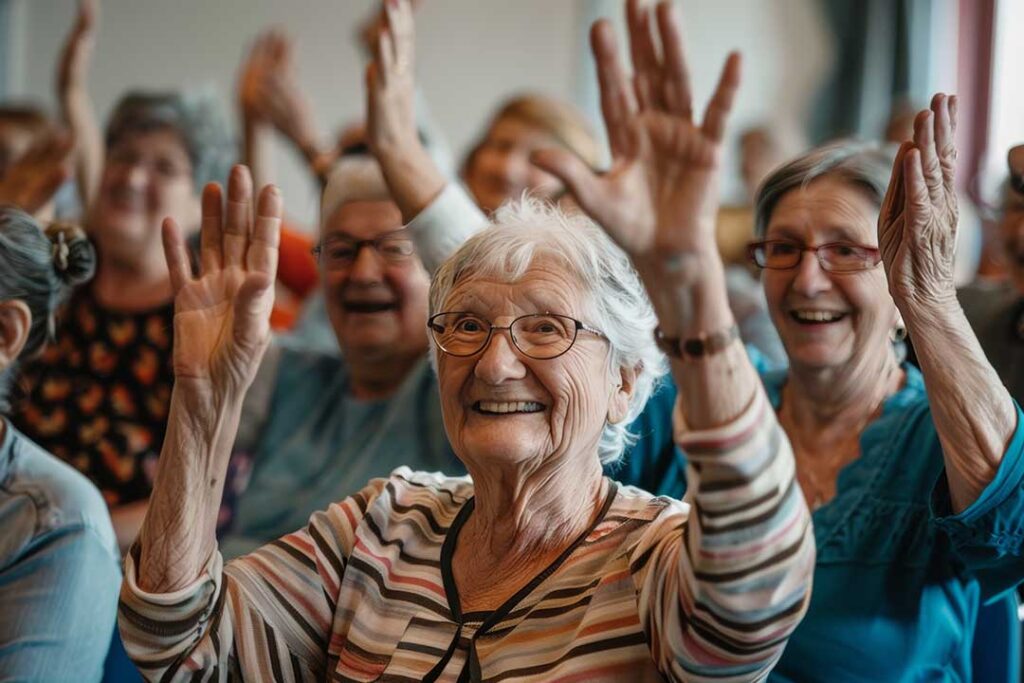
What Fitness Opportunities Exist for Seniors in Assisted Living?
Residents in Kingston, PA assisted living communities can access a variety of fitness programs designed specifically for older adults’ safety, enjoyment, and physical needs. Most offerings are tailored to maintain mobility, support independence, and enhance quality of life. Options often include both structured group classes and self-paced individual activities, chosen to reflect the abilities and goals of local seniors.
Which Types of Exercise Are Safest and Most Beneficial for Seniors?
Low-impact activities are generally the most suitable and beneficial for older adults. These exercises reduce strain on joints while still improving balance, strength, and cardiovascular health. Commonly offered options include:
- Chair yoga or gentle stretching for flexibility
- Seated or standing strength training with light weights or resistance bands
- Walking groups, indoors or outdoors depending on weather
- Water-based programs if facilities are available
- Balance and fall prevention training, such as tai chi
- Gentle dance classes for mobility and coordination
Each program is typically led by instructors familiar with seniors’ needs. Area facilities consider the typical seasonal conditions in northeastern Pennsylvania when planning: for instance, indoor activities become more prominent during cold winters.
How Often Should Older Adults Participate in Fitness Activities?
Many assisted living communities encourage participation in group sessions multiple times per week. For healthy adults, aiming for at least 150 minutes of moderate activity per week is supported by health guidelines. However, the frequency and intensity are often adjusted based on individual health status, recent surgeries, or chronic conditions.
Residents are always encouraged to listen to their bodies and communicate with medical staff about any new or worsening symptoms, such as dizziness or joint pain, before participating or increasing their activity.
Are Fitness Programs Adapted for Varying Abilities and Health Conditions?
Yes, most senior-focused fitness offerings in the city are designed with varying levels of ability in mind. Instructors routinely modify movements to accommodate those with limited mobility, arthritis, or balance concerns. Options such as chair-based classes and the use of stability aids ensure participation is possible for those using walkers or wheelchairs.
Residents living with conditions like osteoporosis, Parkinson’s disease, or recovering from surgery can often join tailored sessions that focus on safe movement and gradual improvement. It’s common for staff to coordinate with primary care professionals to keep activities aligned with personal needs.
What Are Common Misconceptions About Senior Fitness in Assisted Living?
A few misunderstandings may discourage participation:
- “Exercise is too risky at my age.” — In truth, moderate activity is safe when properly supervised and adapted. Gentle movement often reduces risk of falls, injury, and chronic disease.
- “Mobility aids mean I can’t join.” — Many programs welcome those who use canes or walkers, with classes adapted so everyone benefits.
- “You must be ‘fit’ to start.” — All fitness levels are welcome. Activities are often as much about fun and socializing as building muscle.
Recognizing these facts can ease concerns and encourage more residents to explore available options.
How Does Local Climate or Living Arrangement Affect Fitness Choices?
The region’s cold, icy winters sometimes make outdoor activity tricky. Assisted living buildings in Kingston address this by offering year-round, climate-controlled indoor classes and common-area walking routes. Apartment-style layouts may feature hallways or multi-purpose rooms large enough for group sessions, making movement convenient regardless of weather.
Nature trails, gardens, or safe outdoor walking paths are popular during the mild spring and fall months, providing variety and the benefits of fresh air. Scheduled activity times may adjust based on daylight and seasonal preferences.

What Can Residents Expect from Joining a Fitness Program?
Residents can expect a welcoming environment focused on enjoyment rather than competition. Sessions are typically led by staff with training in senior wellness, who emphasize safe movement and positive encouragement. Many classes foster camaraderie, helping residents build connections while working toward better mobility or stamina.
Benefits frequently reported by area participants include:
- Improved balance, reducing risk of falls
- Enhanced mood and reduced symptoms of depression or anxiety
- Higher levels of independence in daily tasks
- Greater social connectedness
Newcomers are usually encouraged to participate at their own pace and to choose from a range of activities to find what feels best.
How Can Residents Make Fitness a Consistent Part of Daily Life?
Building exercise into daily or weekly routines works best when activities are enjoyable, accessible, and varied. Residents can start by:
- Signing up for recurring group classes on the community calendar
- Taking short walks before or after meals with friends or staff
- Practicing simple stretches or chair exercises while watching TV
- Pairing exercise with music, favorite podcasts, or social gatherings
Small, consistent efforts often lead to the greatest improvements in health and wellness, making active living possible for most seniors in the area.
