
What role do volunteers play in assisted living?
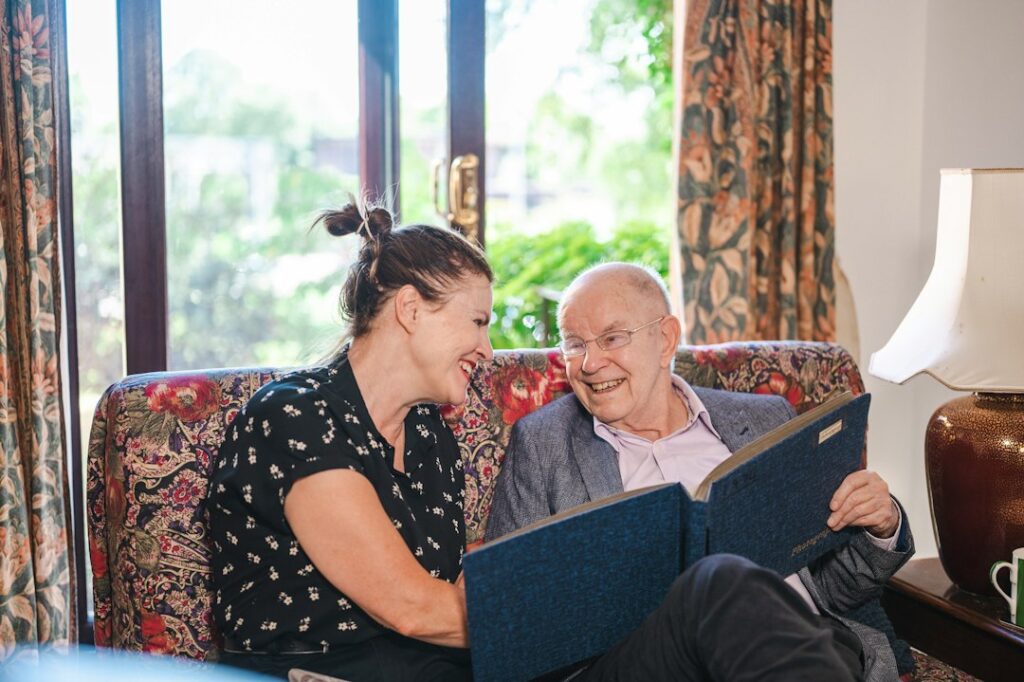
Volunteers add social connection, practical support, and opportunities for meaningful activity in assisted living communities. They do not replace licensed staff or provide care that requires clinical training, but they can improve daily life in ways that are personal and consistent.
A volunteer may spend time talking with a resident, lead a craft activity, help organize a reading group, accompany residents during an approved activity, or assist with community events. The exact role depends on the community’s policies, the volunteer’s abilities, and the needs of residents.
For families in Kingston, PA, volunteering can also provide a helpful connection between the community and the wider area. Local residents may bring familiarity with seasonal traditions, neighborhood history, music, hobbies, or community life that residents recognize and enjoy.
What activities can volunteers safely provide?
Volunteer activities are usually non-medical and supervised. Common examples include:
- Reading aloud, discussing newspapers, or facilitating a book group
- Playing cards, board games, puzzles, or simple tabletop games
- Writing letters, organizing photographs, or helping with non-sensitive technology
- Supporting arts, music, gardening, or seasonal craft programs
- Visiting with residents who may have few regular visitors
- Helping with approved group outings or indoor events
- Sharing hobbies such as knitting, painting, singing, or storytelling
- Assisting with decorations, displays, or community celebrations
- Walking with a resident only when the activity is approved and the resident’s needs are understood
Some volunteers have specialized skills. A musician may perform or lead a sing-along. A retired teacher may support reading activities. A pet handler may participate in an approved animal-visitation program if health and safety requirements are met.
Volunteers should follow the direction of staff, especially when an activity involves mobility, memory loss, hearing impairment, dietary restrictions, or emotional distress.
Can volunteers provide personal care or medication assistance?
In most cases, volunteers should not provide personal care, medication assistance, nursing services, or other tasks assigned to trained employees. Personal care may include bathing, toileting, transferring, dressing, feeding, or helping with medical equipment.
A volunteer should not:
- Give medication or adjust a medication schedule
- Lift or transfer a resident without specific authorization and training
- Assist with bathing, toileting, or changing clothing
- Provide wound care or handle medical devices
- Make decisions about treatment, diet, or emergency response beyond basic first aid procedures they are trained to perform
- Drive residents in a personal vehicle unless the arrangement is formally approved and insured
- Handle a resident’s money, bank cards, legal papers, or valuables
If a resident asks for help that falls outside the volunteer’s role, the safest response is to notify staff. This protects the resident and prevents the volunteer from taking on responsibilities without proper training.
How do volunteers help residents who feel lonely?
Regular, attentive conversation can be more valuable than a large activity. Some residents may not want a busy group program but may welcome a quiet visit, a shared cup of coffee in a common area, or a short conversation about family history.
A useful visit may involve asking open-ended questions, listening without rushing, and allowing the resident to choose the subject. Volunteers can also watch for signs that a resident is tired, uncomfortable, confused, or ready to end the visit.
Consistency matters. A resident may form trust with a volunteer who visits at a predictable time, remembers preferences, and follows through on small commitments. However, volunteers should avoid promising frequent visits if their schedule may change.
Residents living with dementia may benefit from familiar songs, simple activities, photographs, and calm repetition. Volunteers should not test memory or correct every mistaken detail. If a conversation becomes upsetting, changing the subject or asking staff for guidance may be appropriate.
What boundaries should volunteers maintain?
Clear boundaries help preserve dignity and safety. Volunteers can be friendly and caring without becoming substitute family members, private caregivers, or personal financial advisers.
Healthy boundaries include:
- Respecting a resident’s right to decline a visit or activity
- Knocking or asking permission before entering a private room
- Avoiding private communication that staff have not approved
- Keeping resident information confidential
- Not posting photographs or stories about residents without permission
- Declining gifts of significant value
- Avoiding personal loans, financial transactions, or shared accounts
- Reporting concerns rather than investigating them independently
- Using respectful language and addressing residents by their preferred name
Confidentiality is especially important. A volunteer may learn about a resident’s health, family situation, or personal history during a visit. That information should not be discussed with friends, posted online, or shared with other residents.

Are volunteers screened and trained?
Assisted living communities generally establish their own volunteer requirements, which may include an application, interview, orientation, reference checks, background screening, health information, and training. Requirements can differ according to the volunteer’s duties and the population served.
Training often covers:
- Resident rights and dignity
- Infection prevention and hand hygiene
- Emergency procedures
- Fire and severe-weather safety
- Recognizing abuse, neglect, or exploitation
- Communication with residents who have hearing or cognitive changes
- Safe boundaries and confidentiality
- Proper reporting procedures
Seasonal conditions can affect volunteer activities in Kingston. Winter weather may change visitation schedules, outdoor programs, and transportation plans. Volunteers should follow the community’s instructions during snow, ice, extreme temperatures, or other conditions that could make travel or outdoor activity unsafe.
What should families know about volunteer involvement?
Families may appreciate volunteer support, but a volunteer is not a replacement for family visits, personal care, or professional services. Volunteer availability can change because of work schedules, illness, weather, or community policies.
Families can help by explaining a loved one’s preferences to the appropriate staff member, such as favorite music, conversation topics, hobbies, or activities to avoid. Personal information should be shared through approved channels rather than casually discussed with volunteers.
A family member should also understand that volunteers may not be permitted to provide private updates about a resident. Questions about health, care plans, medication, incidents, or changes in condition should be directed to authorized staff.
How can someone become a responsible assisted living volunteer?
A good volunteer starts by identifying a role that matches personal skills, schedule, comfort level, and physical ability. Someone who enjoys conversation may be well suited to visiting. Another person may prefer behind-the-scenes preparation, music, crafts, reading, or group activities.
Before beginning, it is useful to ask:
- What training is required?
- Who supervises volunteers?
- Which tasks are not permitted?
- How are concerns or emergencies reported?
- Are photographs, gifts, transportation, or private communication restricted?
- What happens if a resident becomes upset or needs immediate assistance?
- Are there minimum age, screening, or scheduling requirements?
Reliable attendance, patience, discretion, and respect are often more valuable than specialized experience. A volunteer does not need to entertain constantly. Listening carefully, including a quieter resident in a group, or helping someone participate in a familiar activity can be a meaningful contribution.
What makes volunteer support effective?
The strongest volunteer programs have clear roles, consistent supervision, and communication between volunteers and staff. Residents benefit when activities are adapted to individual interests rather than offered as one-size-fits-all entertainment.
Effective support also respects choice. A resident may prefer a short visit, a quiet room, or no activity at all. Volunteering is most helpful when it adds companionship and engagement while preserving the resident’s control, privacy, and dignity.
