

Why social connection matters in later life
Assisted living can help prevent senior isolation by creating regular opportunities for conversation, shared activities, meals, and supportive relationships. It also reduces some of the practical barriers that can keep an older adult alone at home.
Social isolation means having limited contact with other people. Loneliness is the personal feeling of being alone or disconnected, even when other people are nearby. The two often overlap, but they are not identical. A person may live alone without feeling lonely, while another person may feel lonely in a busy household.
For older adults, isolation can develop gradually. Changes in mobility, hearing, vision, memory, transportation, health, or family circumstances may make it harder to maintain previous routines. The loss of a spouse, friends, or nearby relatives can also reduce daily contact.
Persistent isolation is associated with increased risk of depression, anxiety, cognitive decline, poor physical health, and reduced quality of life. Assisted living does not guarantee that a resident will feel connected, but it can make social contact easier and more consistent.
How does assisted living create daily contact?
Assisted living places residents in a shared setting where ordinary routines can lead to social interaction. A resident may see familiar people during breakfast, in a hallway, near a common room, or while taking part in an activity.
These repeated, low-pressure encounters matter. Social connection does not always begin with a close friendship. It may start with greeting the same neighbor, sitting with others during a meal, or talking briefly with a staff member.
Common opportunities for interaction may include:
- Shared meals and snacks
- Exercise, stretching, or walking groups
- Arts, crafts, music, or games
- Reading, discussion, or educational programs
- Religious or spiritual activities
- Outdoor time and seasonal gatherings
- Birthday celebrations and community events
- Group transportation or supervised outings
Pennsylvania assisted living regulations include planned social and recreational activities. A well-designed program should reflect residents’ interests and abilities rather than offering the same schedule to everyone.
Can assisted living help someone who is shy or reluctant to participate?
Yes, but participation usually works best when it is gradual and voluntary. A quiet resident may not want to enter a large group immediately. Smaller activities, familiar routines, or one-to-one conversations may feel more comfortable.
Helpful approaches include inviting a resident to:
- Have coffee or a snack with one or two people
- Join an activity connected to a lifelong interest
- Sit near a group without being expected to participate
- Help set tables, arrange materials, or water plants
- Attend a short activity before trying a longer one
- Meet with an activities staff member to discuss preferences
The goal is not to force constant socializing. Older adults need privacy and personal choice as well as companionship. A resident may prefer quiet time in a private room and still benefit from knowing that other people are close by.
What role do meals play in preventing isolation?
Meals provide structure and a predictable reason to leave a room. For someone who has been eating alone, a shared dining area can create natural chances to talk without requiring a formal social event.
Mealtimes may also help staff notice changes in mood, appetite, mobility, or behavior. If a resident who usually joins others begins eating alone or skipping meals, that change can signal a need for additional attention.
Some residents may need accommodations to participate comfortably, such as a quieter table, help with hearing or vision limitations, adaptive utensils, or a seating arrangement that supports conversation. Dining should remain a supportive choice, not a source of embarrassment.
How can assisted living support family relationships?
Moving into assisted living does not replace family contact. In many cases, it can make visits easier because the older adult has a safer setting, fewer household tasks, and more predictable routines.
Family members may be able to maintain connection through:
- Regular visits at consistent times
- Phone or video conversations
- Shared meals or holiday gatherings
- Looking through photographs together
- Bringing familiar hobbies, books, or music
- Joining a program or outdoor activity
- Helping the resident maintain contact with friends
For families in Kingston, seasonal conditions may affect travel and visiting routines. Snow, ice, shorter daylight hours, and cold temperatures can make independent outings more difficult during winter. A shared residential setting can provide indoor activity and social contact when visiting or transportation is less convenient.
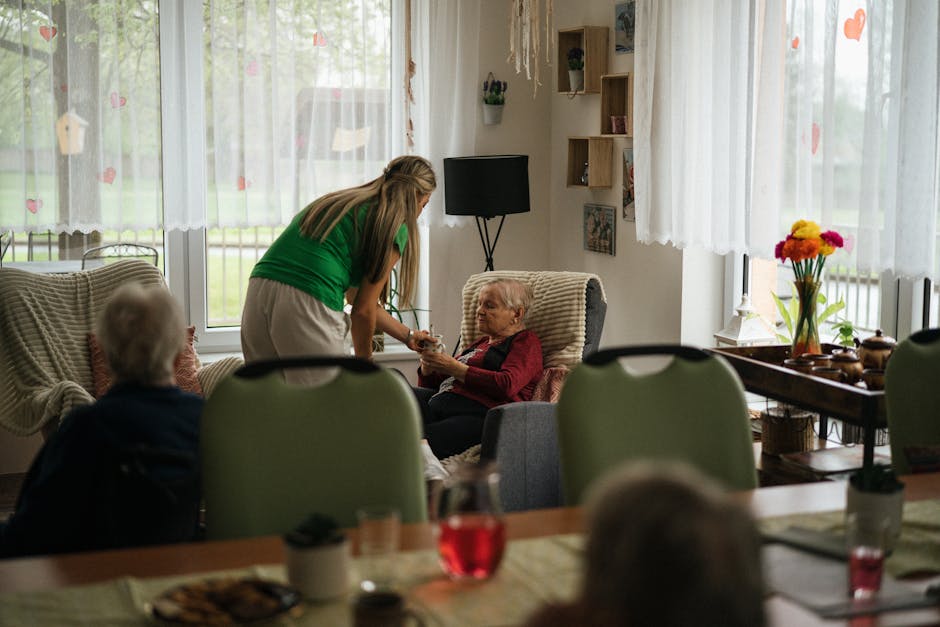
Family involvement should remain guided by the older adult’s preferences. Some residents want frequent visits, while others prefer shorter visits or more phone contact.
Does assisted living prevent isolation for residents with memory loss?
It can reduce some forms of isolation, especially when activities are adapted to the resident’s abilities. Familiar faces, repeated routines, simple choices, music, movement, and sensory activities may help a person with memory loss remain engaged.
Large or complicated activities may be overwhelming. A person may do better with a small group, a familiar task, or a staff member who provides gentle guidance. Activities can include folding towels, sorting objects, looking at photographs, listening to music, gardening, or taking a supervised walk.
Memory loss can also affect a person’s ability to start conversations or remember social plans. Regular reminders and personal invitations are often more effective than posting a schedule and expecting the resident to attend independently.
What if a resident still feels lonely?
Assisted living is a setting, not a guarantee of emotional connection. A resident may be surrounded by people and still feel lonely because of grief, depression, hearing difficulty, pain, anxiety, personality changes, or a mismatch between available activities and personal interests.
Warning signs may include:
- Spending most of the day alone
- Losing interest in previously enjoyed activities
- Repeatedly saying that nobody visits or understands
- Changes in sleep, appetite, or grooming
- Irritability, sadness, or unusual withdrawal
- Declining invitations without explaining why
These signs deserve a calm conversation with the resident and appropriate members of the care team. Hearing aids, glasses, pain control, mobility support, counseling, medication review, or grief support may improve a person’s ability to reconnect.
What should families ask about social life in an assisted living setting?
Families can learn more by asking specific questions rather than relying on a general activities calendar. Useful questions include:
- How are residents invited to activities?
- Are activities adapted for mobility, hearing, vision, or memory needs?
- Are there options for residents who dislike large groups?
- How are new residents introduced to others?
- Can residents choose where and with whom they eat?
- How are family visits supported?
- What happens if a resident stops attending activities?
- Are outdoor areas usable during different seasons?
- How does the setting protect privacy while encouraging connection?
A visit can reveal whether residents appear engaged, whether staff know residents by name, and whether social opportunities are available throughout the day rather than limited to one scheduled program.
The strongest approach combines planned activities with ordinary human contact: a familiar greeting, a shared meal, a short walk, or a conversation about a resident’s past interests. Those everyday moments can help an older adult feel seen, included, and connected.
