
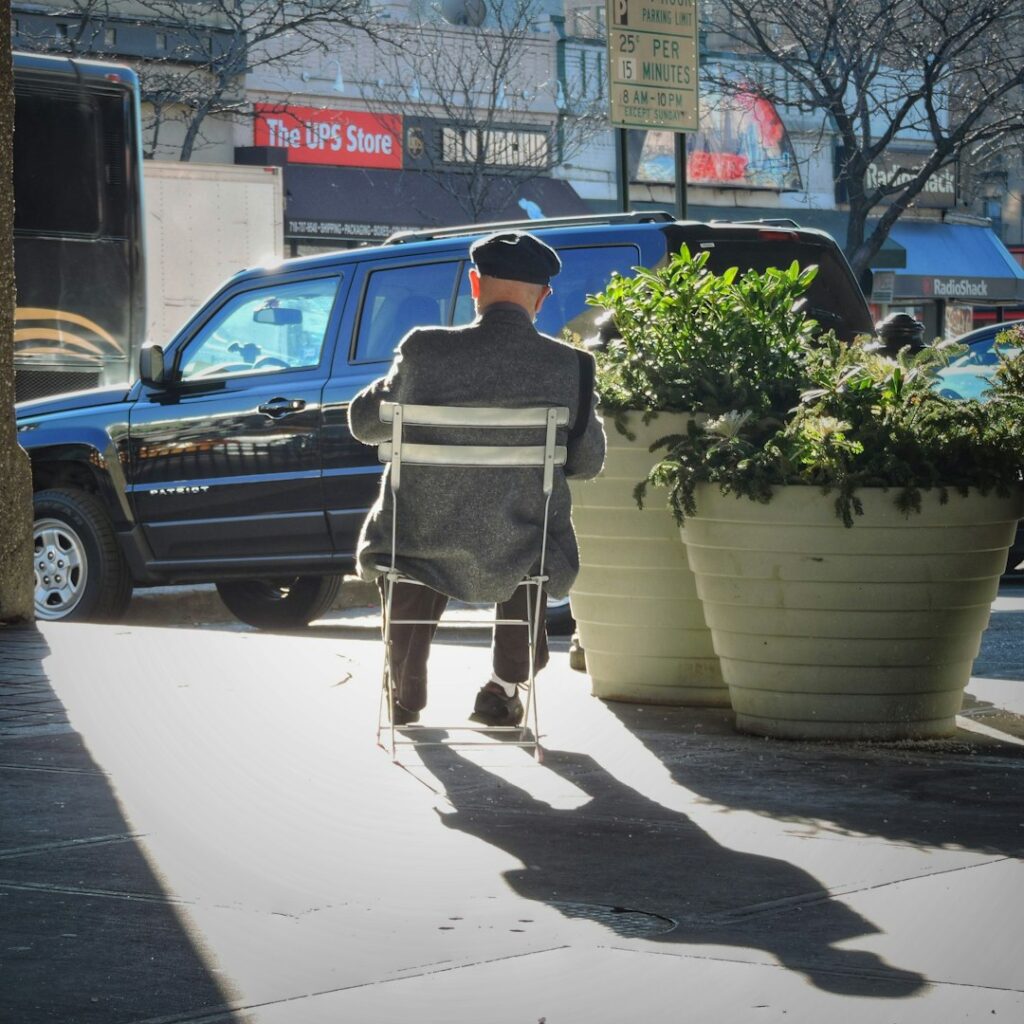
Living in an assisted living residence does not mean giving up access to appointments, errands, family visits, or enjoyable activities. Transportation planning can help residents remain connected while also accounting for mobility, health needs, weather, and the amount of assistance required.
What transportation options may be available?
Transportation may come from the assisted living residence, family members, public transit, shared-ride programs, or another arranged service. The available choices depend on the resident’s mobility, destination, schedule, and need for supervision.
A residence may offer scheduled trips for:
- Medical and dental appointments
- Pharmacy and personal errands
- Religious services
- Shopping
- Family visits
- Group outings
- Community activities
Transportation schedules are often limited to certain days, times, or distances. Some residences define a reasonable local travel area in the residency agreement, while longer trips may require separate planning.
Residents should ask for a written explanation of:
- Which trips are included
- How far the vehicle travels
- How much notice is required
- Whether there is a fee
- Whether a wheelchair, walker, or other equipment can be accommodated
- Whether an escort is available
- What happens if a vehicle is delayed or a trip is canceled
Pennsylvania rules require transportation arranged by an assisted living residence to address resident safety. Depending on the situation, an additional person may be needed to help residents enter, exit, and move safely during the trip.
Can residents use public transportation?
Some residents may be able to use fixed-route public transportation independently or with limited assistance. Pennsylvania also provides reduced-cost or no-cost transit options for eligible older adults, along with shared-ride and paratransit services for people who cannot use regular routes because of a disability or mobility limitation.
Public transportation may be appropriate when a resident can:
- Reach a pickup point safely
- Wait outdoors or in a public area
- Board and exit without rushing
- Keep track of the route and destination
- Manage personal belongings
- Respond appropriately if a vehicle is late or the route changes
A person who uses a walker may be able to ride successfully, but that does not automatically mean the trip is safe without support. The full journey matters, including the walk from the residence, uneven pavement, weather exposure, boarding conditions, and the route from the stop to the destination.
Shared-ride and paratransit programs generally require advance registration and reservations. They may also have specific pickup windows rather than exact arrival times. Applications and eligibility reviews should be completed before transportation is urgently needed.
How should a medical appointment be planned?
Medical transportation requires more preparation than a casual outing. The appointment time is only one part of the schedule. A resident may need extra time for dressing, medication routines, toileting, transfers, check-in, and travel through the building.
Before the trip, confirm:
- Appointment date and arrival time
- Exact destination and entrance
- Whether the resident needs an escort
- Whether a wheelchair or walker will be used
- Whether a family member must attend
- What paperwork, identification, or medication list is needed
- Who will receive instructions after the appointment
The return trip should also be planned. A medical visit may take longer than expected, and a resident may feel tired, unsteady, or uncomfortable afterward. Transportation arrangements should allow enough flexibility for delays rather than assuming the appointment will end on time.
Residents who have memory loss, hearing difficulty, vision impairment, or communication challenges may need a clearly identified travel companion. Instructions should be written in large, simple print when helpful.
What makes an outing safe and comfortable?
A successful outing matches the activity to the resident’s abilities, energy level, and interests. A short trip with seating, accessible restrooms, and protection from the weather may be more enjoyable than a longer event with extensive walking.
Useful planning questions include:
- How much walking is required?
- Are there stairs, steep ramps, or uneven surfaces?
- Is seating available throughout the visit?
- Can the resident use the restroom easily?
- Is there a quiet place to rest?
- Will crowds, noise, or bright lighting create difficulty?
- How long will the outing last?
- Is food or water available?
- What is the plan if the resident becomes tired?

Outings do not need to be elaborate. A drive to view seasonal scenery, a quiet visit with relatives, a short walk in a maintained area, or participation in a small community event may provide social connection without causing exhaustion.
How does Kingston weather affect transportation?
Kingston has cold winters, snow, ice, and changing conditions that can affect sidewalks, parking areas, ramps, and vehicle loading zones. Even when roads are passable, a slippery walkway can make a short trip unsafe.
During colder months, allow additional time for:
- Clearing snow and ice near entrances
- Putting on layers, gloves, and appropriate footwear
- Moving carefully from a building to a vehicle
- Loading mobility equipment
- Delays caused by changing road conditions
Rain, summer heat, and strong sunlight also matter. Residents may need water, shade, lighter clothing, or a shorter outing. A trip should be postponed when conditions create a meaningful risk of falling, overheating, or becoming stranded.
A vehicle may be warm or cool while the loading area remains exposed. Keeping a coat, blanket, or other seasonal protection available can improve comfort during transfers.
What should families ask about outings?
Families often assume transportation is included in assisted living, but the details vary. A resident or family member should review the residency agreement and ask staff to explain the current policy in plain language.
Questions may include:
- Are transportation services scheduled individually or in groups?
- How much advance notice is needed?
- Are evening or weekend trips available?
- Can family members ride along?
- Who assists with transfers?
- Can the vehicle accommodate a wheelchair?
- Are residents monitored during the outing?
- What are the procedures for medication, meals, or toileting away from the residence?
- How are changes in a resident’s mobility reflected in the service plan?
A resident’s needs can change over time. Someone who once walked independently may later need an escort, a wheelchair-accessible vehicle, or closer supervision. Transportation planning should be reviewed whenever there is a fall, hospitalization, new diagnosis, change in balance, or change in memory.
What if a resident wants to go out independently?
Residents may have personal preferences and different levels of independence. Independence does not always mean traveling alone. It may mean choosing the destination, deciding how long to stay, or participating in the planning while receiving needed support.
A practical plan identifies:
- Where the resident is going
- How the resident will travel
- Who knows the itinerary
- How the resident will return
- What to do if the plan changes
- Which emergency contact should be notified
For residents with cognitive impairment, independent travel may require additional safeguards. A simple written itinerary, identification information, an updated medication list, and a reliable check-in plan can reduce confusion.
Transportation should support quality of life without overlooking safety. In Kingston, careful attention to walking surfaces, seasonal weather, travel distances, and the availability of accessible vehicles can help residents continue participating in everyday activities with greater confidence.
